The Future of Fashion: How Artificial Intelligence is Revolutionizing the Industry

The Future of Fashion: How Artificial Intelligence is Revolutionizing the Industry

In recent years, the fashion industry has witnessed a significant transformation, thanks to the integration of Artificial Intelligence (AI). This cutting-edge technology is not just a buzzword; it’s a game-changer that’s reshaping how designers create, how brands market, and how consumers shop.

What is Artificial Intelligence in Fashion?

Artificial Intelligence in fashion refers to the use of machine learning algorithms, data analytics, and computer vision to automate and enhance various aspects of the fashion industry. From predicting trends to personalizing shopping experiences, AI is making waves in every corner of the fashion world.

Key Applications of AI in Fashion

  • Trend Forecasting: AI algorithms analyze vast amounts of data from social media, runway shows, and sales figures to predict upcoming trends with remarkable accuracy.
  • Virtual Try-Ons: Using augmented reality (AR) and AI, consumers can now virtually try on clothes and accessories before making a purchase, enhancing the online shopping experience.
  • Supply Chain Optimization: AI helps brands optimize their supply chains by predicting demand, managing inventory, and reducing waste.
  • Personalized Recommendations: AI-powered recommendation engines analyze user behavior to suggest products that match individual preferences, increasing customer satisfaction and sales.

How Style3D is Leading the Way

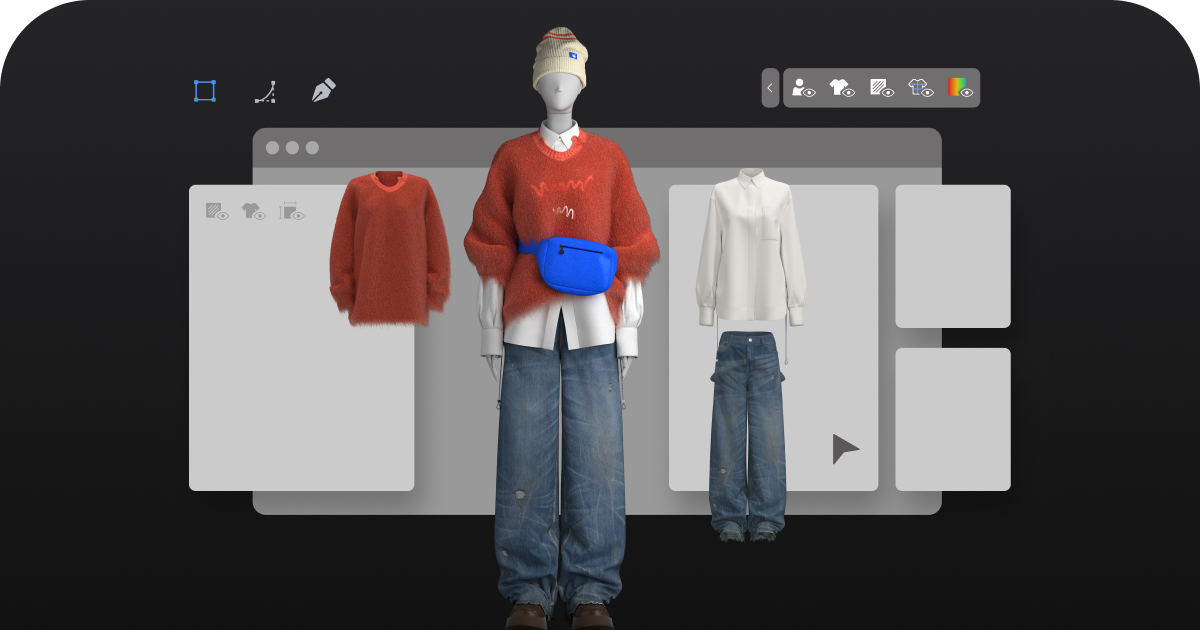
One company at the forefront of this AI-driven revolution is Style3D. Specializing in 3D fashion design and digital solutions, Style3D leverages AI to streamline the design process, reduce time-to-market, and enhance collaboration among designers, brands, and manufacturers.

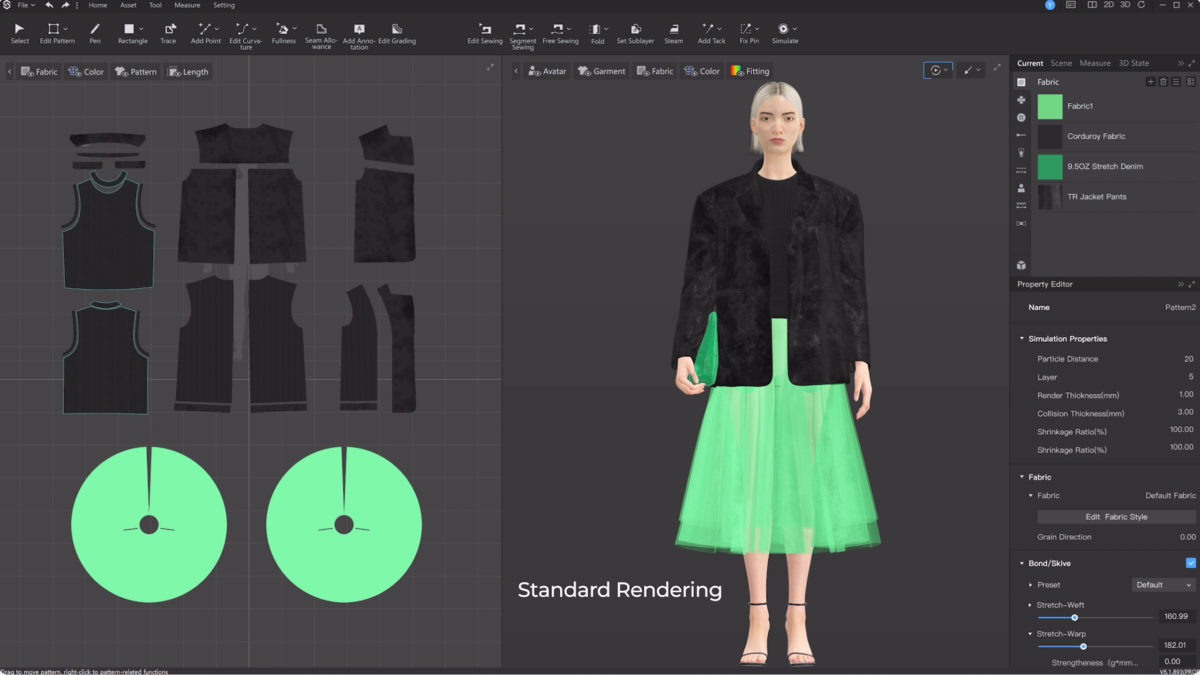
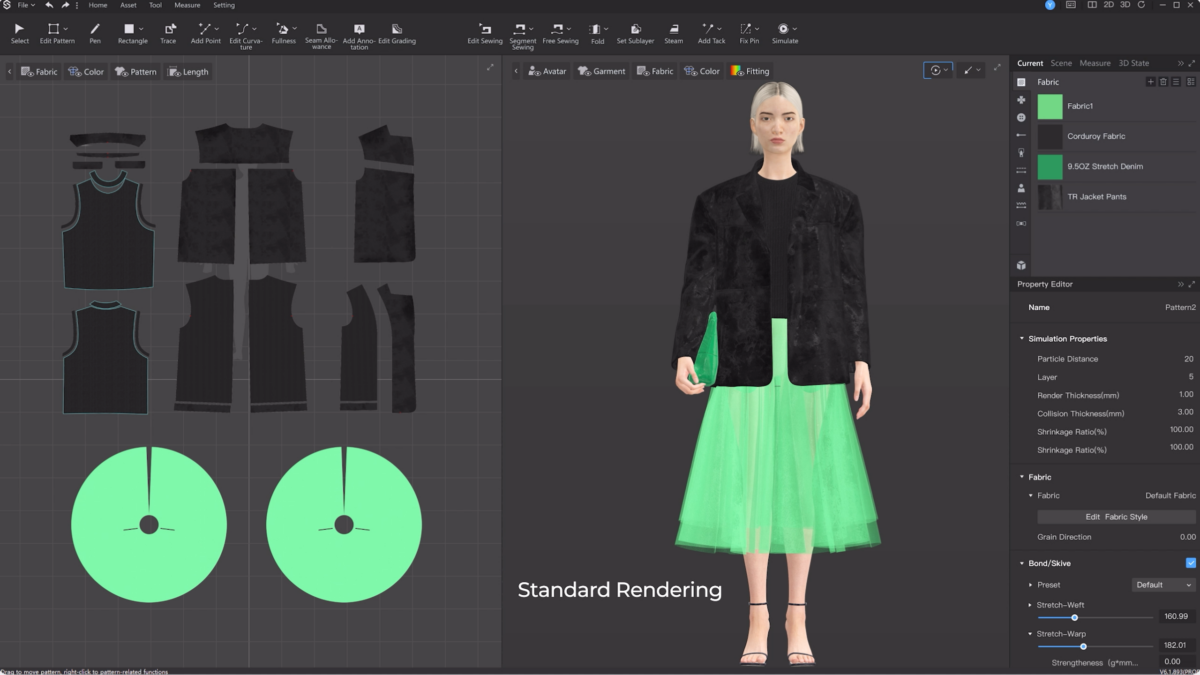
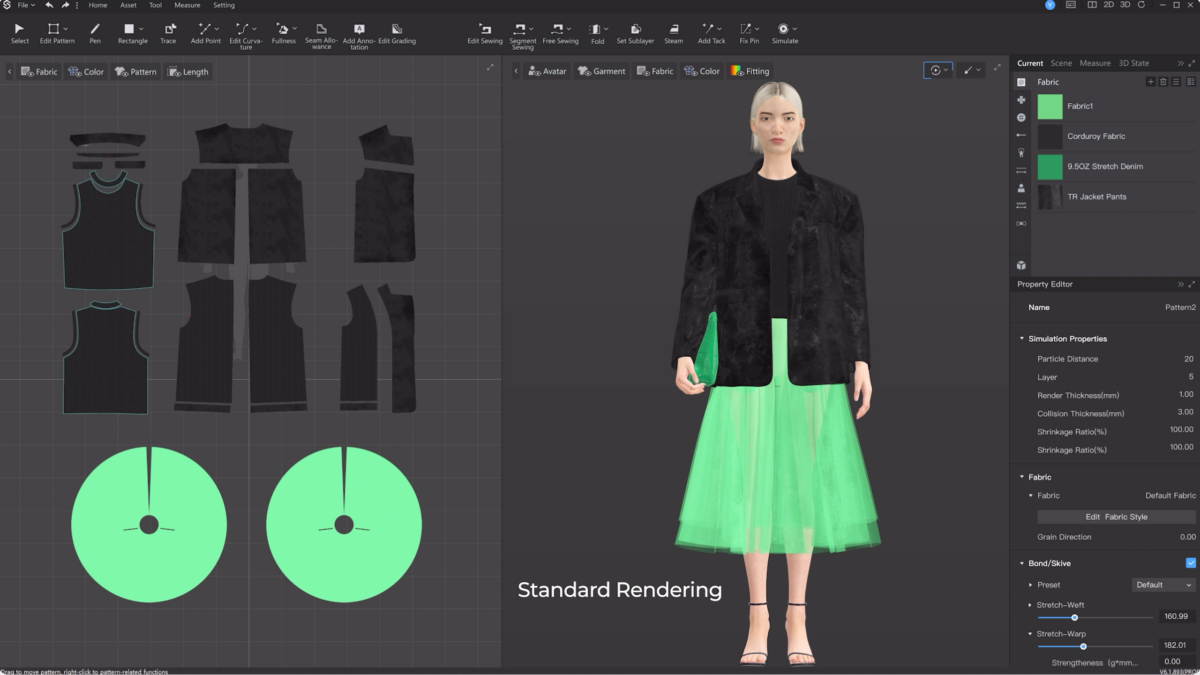
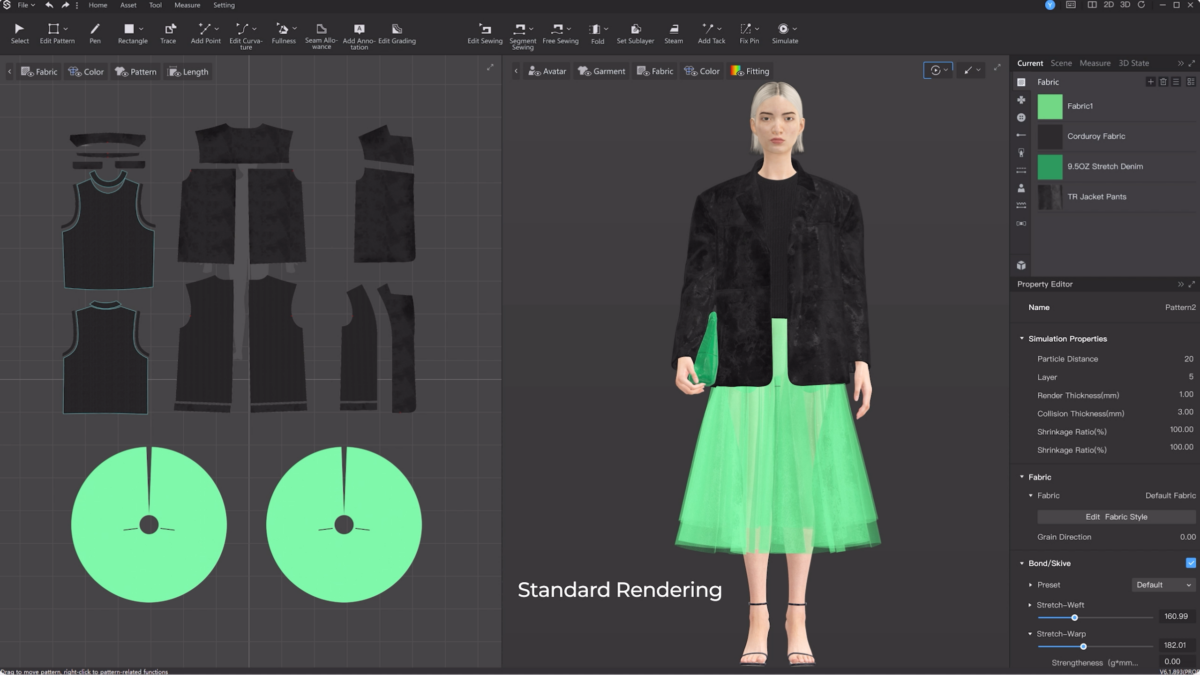
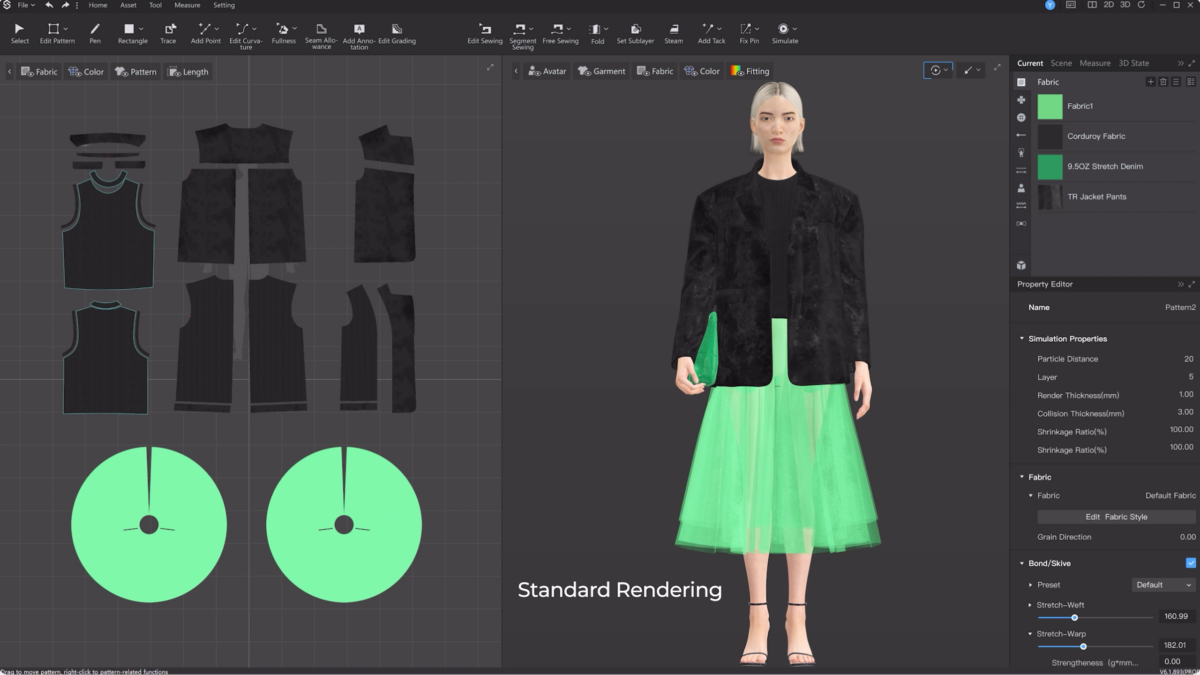
Style3D’s platform allows designers to create realistic 3D garments, simulate fabric behavior, and visualize how designs will look in real life—all without the need for physical prototypes. This not only saves time and resources but also opens up new possibilities for creativity and innovation.

The Benefits of AI in Fashion

The integration of AI in fashion offers numerous benefits:

  • Efficiency: Automating repetitive tasks allows designers and brands to focus on creativity and strategy.
  • Sustainability: By reducing the need for physical samples and optimizing supply chains, AI helps the fashion industry become more sustainable.
  • Customer Satisfaction: Personalized shopping experiences and accurate trend predictions lead to happier customers and increased loyalty.

Conclusion

As the fashion industry continues to evolve, the role of Artificial Intelligence will only become more prominent. Companies like Style3D are paving the way for a future where fashion is more efficient, sustainable, and personalized than ever before. Whether you’re a designer, a brand, or a consumer, the AI revolution in fashion is something to be excited about.

Stay tuned to Style3D for the latest innovations and insights into how AI is shaping the future of fashion.

AI in Fashion: Transforming Design, Shopping, and Sustainability for a Smarter Future

The Future of Fashion: How Artificial Intelligence is Revolutionizing the Industry

In recent years, the fashion industry has witnessed a significant transformation, thanks to the integration of Artificial Intelligence (AI). From design to production, AI is reshaping how fashion brands operate, offering innovative solutions that enhance creativity, efficiency, and sustainability.

AI in Fashion Design

One of the most exciting applications of AI in fashion is in the design process. AI-powered tools can analyze vast amounts of data, including trends, consumer preferences, and historical sales data, to generate design recommendations. This not only speeds up the design process but also ensures that the final products are more aligned with market demands.

Virtual Prototyping and 3D Modeling

Another groundbreaking innovation is the use of AI for virtual prototyping and 3D modeling. Platforms like Style3D leverage AI to create highly accurate digital replicas of garments. This allows designers to visualize and tweak their creations in a virtual environment before moving to physical production, significantly reducing waste and costs.

Personalized Shopping Experiences

AI is also revolutionizing the way consumers shop for fashion. By analyzing individual preferences and browsing behavior, AI algorithms can offer personalized recommendations, making the shopping experience more enjoyable and efficient. This level of personalization not only boosts customer satisfaction but also increases sales for brands.

Sustainability and Ethical Fashion

As the fashion industry faces increasing scrutiny over its environmental impact, AI offers solutions to promote sustainability. From optimizing supply chains to reducing waste in production, AI technologies are helping brands adopt more ethical practices. For instance, AI can predict demand more accurately, reducing overproduction and minimizing unsold inventory.

Conclusion

The integration of Artificial Intelligence in the fashion industry is not just a trend; it’s a paradigm shift. As AI continues to evolve, its potential to drive innovation, efficiency, and sustainability in fashion is limitless. Brands that embrace these technologies today will be better positioned to lead the industry tomorrow.

The Future of Fashion: How Artificial Intelligence is Revolutionizing the Industry

The Future of Fashion: How Artificial Intelligence is Revolutionizing the Industry

In recent years, the fashion industry has witnessed a significant transformation, thanks to the integration of Artificial Intelligence (AI). This cutting-edge technology is not just a buzzword; it’s a game-changer that is reshaping how designers create, how brands market, and how consumers shop.

What is Artificial Intelligence in Fashion?

Artificial Intelligence refers to the simulation of human intelligence in machines that are programmed to think and learn. In the context of fashion, AI is being used to streamline various processes, from design and production to marketing and customer service. Companies like Style3D are at the forefront of this revolution, offering innovative solutions that leverage AI to enhance creativity and efficiency.

How AI is Transforming Fashion Design

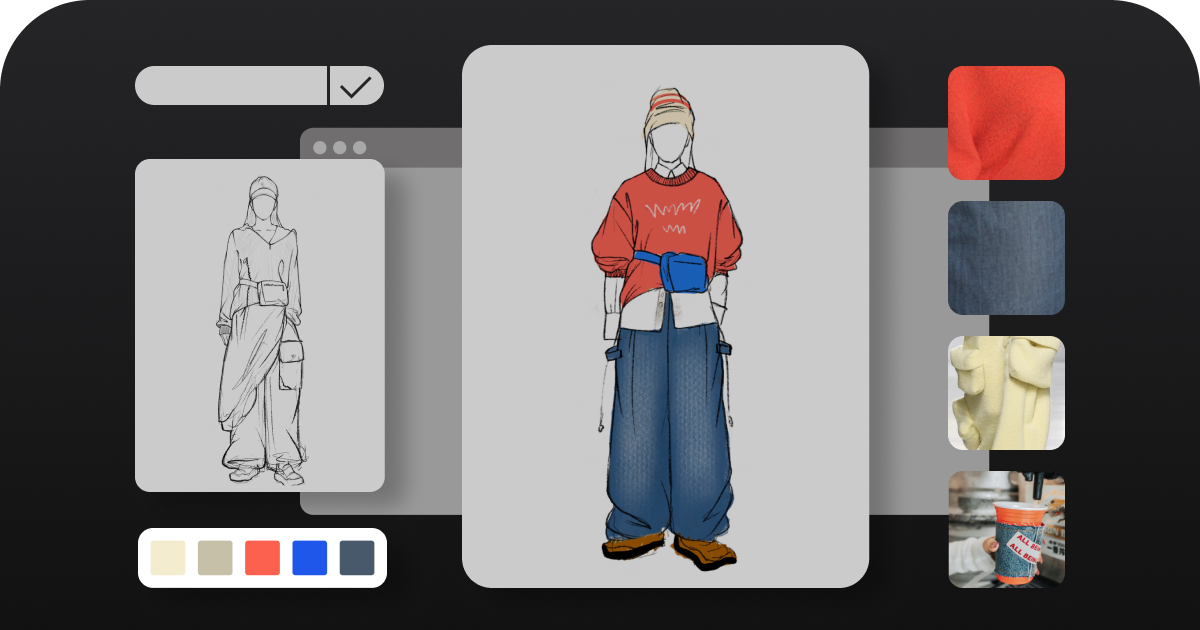
One of the most exciting applications of AI in fashion is in the design process. Traditionally, creating a new collection involves countless hours of sketching, prototyping, and sampling. However, with AI-powered tools, designers can now generate digital prototypes in a fraction of the time. These tools use algorithms to predict trends, suggest color palettes, and even create entire designs based on historical data and current market trends.

For instance, Style3D offers a platform that allows designers to create 3D garments digitally. This not only speeds up the design process but also reduces waste, as fewer physical samples need to be produced. The result is a more sustainable and efficient design workflow.

AI in Marketing and Personalization

AI is also revolutionizing the way fashion brands market their products. By analyzing vast amounts of data, AI can predict consumer behavior and preferences with remarkable accuracy. This allows brands to create highly targeted marketing campaigns that resonate with their audience.

Moreover, AI-powered personalization is enhancing the shopping experience. Online retailers are using AI to recommend products based on a customer’s browsing history, purchase behavior, and even social media activity. This level of personalization not only increases customer satisfaction but also drives sales.

The Role of AI in Sustainable Fashion

Sustainability is a growing concern in the fashion industry, and AI is playing a crucial role in addressing this issue. By optimizing supply chains, reducing waste, and improving resource management, AI is helping brands become more environmentally friendly.

For example, Style3D uses AI to create digital samples, which significantly reduces the need for physical prototypes. This not only cuts down on material waste but also minimizes the carbon footprint associated with shipping samples back and forth.

Conclusion

The integration of Artificial Intelligence into the fashion industry is no longer a futuristic concept—it’s a reality that is transforming every aspect of the business. From design and production to marketing and sustainability, AI is enabling brands to operate more efficiently, creatively, and responsibly. As technology continues to evolve, the possibilities for AI in fashion are virtually limitless.

For more information on how AI is revolutionizing the fashion industry, visit Style3D.

The Future of Fashion: How Artificial Intelligence is Revolutionizing the Industry

The Future of Fashion: How Artificial Intelligence is Revolutionizing the Industry

In recent years, the fashion industry has witnessed a significant transformation, thanks to the integration of Artificial Intelligence (AI). This cutting-edge technology is not just a buzzword; it’s a game-changer that is reshaping how designers create, how brands market, and how consumers shop.

What is Artificial Intelligence in Fashion?

Artificial Intelligence in fashion refers to the use of machine learning algorithms, computer vision, and data analytics to streamline various processes within the industry. From predicting trends to personalizing shopping experiences, AI is making waves in every corner of the fashion world.

Applications of AI in Fashion

1. Trend Forecasting: AI algorithms analyze vast amounts of data from social media, runway shows, and sales figures to predict upcoming trends. This allows brands to stay ahead of the curve and produce collections that resonate with consumers.

2. Virtual Try-Ons: With AI-powered virtual try-on tools, customers can see how clothes will look on them without ever stepping into a fitting room. This not only enhances the shopping experience but also reduces return rates.

3. Personalized Recommendations: AI analyzes a customer’s browsing and purchase history to offer personalized product recommendations. This level of customization increases customer satisfaction and boosts sales.

4. Supply Chain Optimization: AI helps brands optimize their supply chains by predicting demand, managing inventory, and reducing waste. This leads to more efficient operations and a smaller environmental footprint.

The Role of Style3D in AI-Driven Fashion

One company at the forefront of this AI revolution is Style3D. They offer a suite of AI-powered tools that enable designers to create, visualize, and simulate garments in a virtual environment. This not only speeds up the design process but also allows for more accurate and sustainable production.

Benefits of AI in Fashion

1. Efficiency: AI automates repetitive tasks, freeing up time for designers and marketers to focus on creativity and strategy.

2. Accuracy: AI’s data-driven insights lead to more accurate trend predictions and inventory management.

3. Sustainability: By optimizing supply chains and reducing waste, AI contributes to a more sustainable fashion industry.

4. Customer Satisfaction: Personalized shopping experiences and virtual try-ons lead to happier customers and higher conversion rates.

Challenges and Future Prospects

While the benefits of AI in fashion are undeniable, there are challenges to consider. Data privacy concerns, the need for skilled professionals, and the high cost of implementation are some of the hurdles that need to be addressed. However, as technology continues to evolve, these challenges are likely to be overcome, paving the way for even more innovative applications of AI in fashion.

In conclusion, Artificial Intelligence is not just a trend; it’s the future of fashion. By embracing this technology, brands can stay competitive, meet consumer demands, and contribute to a more sustainable and efficient industry. The journey has just begun, and the possibilities are endless.

AI Fashion Revolution: How Artificial Intelligence is Redefining Style and Sustainability

The Future of Fashion: How Artificial Intelligence is Revolutionizing the Industry

The fashion industry is undergoing a massive transformation, and at the heart of this change is Artificial Intelligence. From design to production, AI is reshaping how fashion brands operate, making processes faster, more efficient, and incredibly innovative.

AI in Fashion Design

Gone are the days when fashion design was solely reliant on human creativity. Today, Artificial Intelligence is being used to generate design ideas, predict trends, and even create virtual prototypes. Tools powered by AI can analyze vast amounts of data from social media, runway shows, and consumer behavior to identify emerging trends. This allows designers to stay ahead of the curve and create collections that resonate with their target audience.

Virtual Prototyping and 3D Design

One of the most exciting applications of Artificial Intelligence in fashion is virtual prototyping. With AI-driven 3D design platforms, designers can create digital versions of their garments, allowing them to visualize how the final product will look without the need for physical samples. This not only reduces waste but also speeds up the design process, enabling brands to bring new collections to market faster.

Personalized Shopping Experiences

AI is also transforming the way consumers shop for fashion. By analyzing customer data, AI algorithms can provide personalized recommendations, helping shoppers find exactly what they’re looking for. Virtual fitting rooms, powered by AI, allow customers to try on clothes virtually, ensuring a perfect fit before making a purchase. This level of personalization enhances the shopping experience and increases customer satisfaction.

Supply Chain Optimization

The fashion supply chain is complex, but Artificial Intelligence is making it more manageable. AI can predict demand, optimize inventory levels, and even identify potential disruptions in the supply chain. This ensures that brands can meet customer demand without overproducing, reducing waste and improving profitability.

Sustainability and Ethical Fashion

As consumers become more conscious of the environmental impact of their purchases, sustainability has become a key focus for fashion brands. AI is playing a crucial role in this shift by enabling more sustainable practices. From optimizing fabric usage to reducing waste in production, AI is helping brands create fashion that is not only stylish but also environmentally friendly.

Conclusion

The integration of Artificial Intelligence into the fashion industry is just the beginning. As technology continues to evolve, we can expect even more innovative applications that will further revolutionize the way we design, produce, and consume fashion. The future of fashion is here, and it’s powered by AI.

AI Fashion Revolution: How Artificial Intelligence is Redefining Style and Sustainability

The Future of Fashion: How Artificial Intelligence is Revolutionizing the Industry

The fashion industry is undergoing a massive transformation, and at the heart of this change is Artificial Intelligence. From design to production, AI is reshaping how fashion brands operate, making processes faster, more efficient, and incredibly innovative.

AI in Fashion Design

One of the most exciting applications of Artificial Intelligence in fashion is in the design process. AI algorithms can analyze vast amounts of data, including current trends, consumer preferences, and historical sales data, to predict what styles will be popular in the future. This allows designers to create collections that are not only stylish but also highly marketable.

Virtual Prototyping with AI

Another groundbreaking use of Artificial Intelligence is in virtual prototyping. Tools powered by AI can create highly accurate 3D models of garments, allowing designers to visualize how a piece will look and fit without the need for physical samples. This not only speeds up the design process but also reduces waste, making fashion more sustainable.

Personalized Shopping Experiences

AI is also revolutionizing the way consumers shop for fashion. By analyzing a customer’s browsing history, purchase behavior, and even social media activity, AI can offer personalized recommendations that are tailored to individual tastes. This level of customization enhances the shopping experience, making it more enjoyable and efficient for consumers.

Supply Chain Optimization

In the backend, Artificial Intelligence is optimizing supply chains. AI can predict demand more accurately, manage inventory levels, and even suggest the best routes for shipping. This leads to reduced costs, faster delivery times, and a more streamlined operation overall.

Conclusion

The integration of Artificial Intelligence into the fashion industry is not just a trend; it’s a revolution. As AI continues to evolve, its impact on fashion will only grow, leading to more innovative designs, sustainable practices, and personalized shopping experiences. The future of fashion is here, and it’s powered by AI.

**AI in Fashion: Revolutionizing Design, Shopping, and Sustainability** This title captures the essence of the blog post by highlighting the transformative

The Future of Fashion: How Artificial Intelligence is Revolutionizing the Industry

In recent years, the fashion industry has witnessed a significant transformation, thanks to the integration of Artificial Intelligence (AI). This cutting-edge technology is not just a buzzword; it’s a game-changer that’s reshaping how designers create, how brands market, and how consumers shop.

What is Artificial Intelligence in Fashion?

Artificial Intelligence in fashion refers to the use of machine learning algorithms, computer vision, and data analytics to automate and enhance various aspects of the fashion industry. From predicting trends to personalizing shopping experiences, AI is making waves in every corner of the fashion world.

How AI is Transforming Fashion Design

One of the most exciting applications of AI in fashion is in the design process. Tools powered by Artificial Intelligence can analyze vast amounts of data from social media, runway shows, and consumer behavior to predict upcoming trends. This allows designers to create collections that are not only innovative but also highly relevant to current market demands.

Personalized Shopping Experiences

AI is also revolutionizing the way consumers shop. By analyzing a customer’s browsing history, purchase behavior, and even body measurements, AI can offer personalized recommendations that are tailored to individual preferences. This not only enhances the shopping experience but also increases customer satisfaction and loyalty.

Virtual Try-Ons and Augmented Reality

Another groundbreaking application of AI in fashion is virtual try-ons and augmented reality (AR). With the help of Artificial Intelligence, consumers can now try on clothes virtually before making a purchase. This technology uses computer vision to map the user’s body and superimpose the clothing item, providing a realistic preview of how it would look.

Supply Chain Optimization

AI is also playing a crucial role in optimizing the fashion supply chain. By analyzing data from various sources, AI can predict demand, manage inventory, and even optimize production schedules. This leads to reduced waste, lower costs, and a more sustainable fashion industry.

Conclusion

The integration of Artificial Intelligence in the fashion industry is not just a trend; it’s a revolution. From design to retail, AI is transforming every aspect of the fashion world, making it more efficient, personalized, and sustainable. As technology continues to evolve, the possibilities are endless, and the future of fashion looks brighter than ever.

Stay tuned to Style3D for more insights and updates on how AI is shaping the future of fashion.

AI Fashion Revolution: How Artificial Intelligence is Redefining Style and Sustainability

The Future of Fashion: How Artificial Intelligence is Revolutionizing the Industry

In recent years, Artificial Intelligence (AI) has emerged as a game-changer in various industries, and the fashion world is no exception. From design to production and retail, AI is transforming the way fashion businesses operate, offering unprecedented opportunities for innovation and efficiency.

AI-Powered Design Tools

One of the most exciting applications of AI in fashion is in the design process. Advanced AI algorithms can analyze vast amounts of data, including historical trends, consumer preferences, and social media activity, to generate unique and innovative designs. This not only speeds up the design process but also ensures that the final products are more aligned with market demands.

Virtual Prototyping and 3D Modeling

Another significant advancement is the use of AI in virtual prototyping and 3D modeling. Companies like Style3D are leveraging AI to create highly accurate digital representations of garments. This allows designers to visualize and tweak their creations in a virtual environment before moving to physical production, reducing waste and saving time and resources.

Personalized Shopping Experiences

AI is also enhancing the retail experience by offering personalized recommendations to shoppers. By analyzing a customer’s browsing history, purchase behavior, and even body measurements, AI can suggest items that are more likely to appeal to them. This level of personalization not only improves customer satisfaction but also boosts sales and brand loyalty.

Supply Chain Optimization

In the realm of supply chain management, AI is being used to optimize inventory levels, predict demand, and streamline logistics. By analyzing data from various sources, AI can help fashion brands make more informed decisions, reducing costs and improving efficiency.

Ethical and Sustainable Fashion

AI is also playing a crucial role in promoting ethical and sustainable fashion. By analyzing the environmental impact of different materials and production methods, AI can help brands make more sustainable choices. Additionally, AI can be used to monitor supply chains for ethical practices, ensuring that products are made under fair labor conditions.

The integration of Artificial Intelligence into the fashion industry is not just a trend; it’s a revolution. As AI continues to evolve, its impact on fashion will only grow, offering new possibilities for creativity, efficiency, and sustainability. The future of fashion is here, and it’s powered by AI.

AI Fashion Revolution: How Artificial Intelligence is Redefining Style and Sustainability

The Future of Fashion: How Artificial Intelligence is Revolutionizing the Industry

In recent years, the fashion industry has witnessed a significant transformation, thanks to the integration of Artificial Intelligence (AI). This cutting-edge technology is not just a buzzword; it’s a game-changer that’s reshaping how designers create, how brands market, and how consumers shop.

AI in Design and Production

One of the most exciting applications of AI in fashion is in the design and production process. Traditionally, creating a new collection involved countless hours of sketching, prototyping, and sampling. However, with AI, designers can now leverage advanced algorithms to generate unique patterns, predict trends, and even simulate how fabrics will drape on a virtual model.

Companies like Style3D are at the forefront of this revolution. Their AI-powered platforms enable designers to create digital twins of garments, allowing for rapid iteration and customization. This not only speeds up the design process but also reduces waste, making fashion more sustainable.

Personalized Shopping Experiences

AI is also transforming the way consumers shop. With the help of machine learning algorithms, online retailers can now offer personalized recommendations based on a customer’s browsing history, purchase behavior, and even social media activity. This level of personalization enhances the shopping experience, making it more intuitive and enjoyable.

Moreover, AI-powered virtual fitting rooms are becoming increasingly popular. These tools use augmented reality (AR) to allow customers to “try on” clothes virtually, reducing the need for physical fitting rooms and minimizing returns. This not only benefits consumers but also helps retailers optimize their inventory and reduce costs.

Supply Chain Optimization

Another area where AI is making a significant impact is in supply chain management. The fashion industry is notorious for its complex and often inefficient supply chains. AI can analyze vast amounts of data to predict demand, optimize inventory levels, and streamline logistics. This leads to faster delivery times, reduced costs, and a more sustainable supply chain.

For instance, AI can predict which items will be in high demand during a particular season, allowing brands to produce the right amount of stock and avoid overproduction. This not only saves money but also reduces the environmental impact of excess inventory.

Challenges and Ethical Considerations

While the benefits of AI in fashion are undeniable, there are also challenges and ethical considerations to address. One major concern is the potential for job displacement, as AI automates tasks traditionally performed by humans. Additionally, there are questions about data privacy and the ethical use of AI in marketing and consumer profiling.

It’s crucial for the industry to strike a balance between innovation and responsibility. By adopting ethical AI practices and ensuring transparency, the fashion industry can harness the power of AI while minimizing its negative impacts.

Conclusion

The integration of Artificial Intelligence into the fashion industry is no longer a futuristic concept—it’s a reality that’s here to stay. From design and production to personalized shopping experiences and supply chain optimization, AI is revolutionizing every aspect of the industry. As we move forward, it’s essential to embrace these advancements while addressing the challenges they bring. The future of fashion is intelligent, and it’s time to get on board.

Using Digital Manufacturing to Create Next-gen Anatomical Models

10th Wedding Anniversary Gift Ideas for Wife

Digital manufacturing is making a big impact on many areas of medicine, from small things like the machining of aluminum test tube holders to futuristic practices like the 3D printing of titanium implants.

Of the many medical applications of digital manufacturing, one particular area coming on leaps and bounds is the creation of anatomical models — physical replicas of organs, bones and other body parts that can be used by medical professionals to train doctors or prepare for surgery on patients.

These anatomical models can be made using different manufacturing technologies and from different materials, and their use is on the rise all around the world.

Why create anatomical models?

With digital manufacturing technologies like 3D modeling software and 3D printers, it is now easier than ever to quickly and affordably create lifelike anatomical models for education, training or surgical purposes.

These models can be generic and used to illustrate healthy or affected body parts in lectures or classes, or can be patient-specific, created using medical imaging data in order to physically replicate a body part of an individual patient.

Patient-specific anatomical models are one of the most exciting applications of digital manufacturing technologies, since they can allow surgeons to see and feel a lifelike copy of the damaged or diseased organ on which they need to operate — sometimes well in advance of the actual procedure.

By getting to grips with a physical scale model, surgeons can be much better prepared for the operation, trying out various incisions or motions on the plastic replica before having to carry out the real surgery. This added level of hands-on preparation helps increase the chances of a positive outcome for the patient.

Turning medical images into 3D models

A big part of the process of creating patient-specific medical models is obtaining data from the patient’s body. Doing so requires the use of CT or MRI scanners, equipment used in hospitals to examine patients and check for various problems.

These scanners use X-rays or strong magnetic fields to obtain a picture of a patient’s brain, lungs or other body parts.

Unfortunately, medical imaging devices aren’t designed to capture 3D images. Instead, they produce a series of 2D slices, which — taken as a whole — enable doctors to analyze a patient’s body.

But those 2D slices can quite easily be transformed into a 3D shape: once medical professionals have their set of 2D images, which are commonly stored in the Digital Imaging and Communications in Medicine (DICOM) format, software can be used to convert the data into a digital 3D model.

That on-screen model can then be altered, resized or even colored, and can then be processed in the relevant way before being sent to a 3D printer or other machine.

Digital manufacturing of anatomical models

One of the best new ways to create anatomical models — of both the patient-specific and generic kind — is additive manufacturing, or 3D printing.

Using Fused Deposition Modeling (FDM) or Stereolithography (SLA) 3D printers, medical professionals can rapidly fabricate models using the converted digital information from CT or MRI scans. And since 3D printers can be kept in laboratories or even offices, it takes only a very short time to carry out the entire build process.

While FDM is the most common and affordable 3D printing technology, many in the medical field prefer SLA for anatomical models. The light-based technology is compatible with translucent and semi-translucent resins, and 3D printing with such materials can be useful for presenting a complex organ with internal sections (which can in turn be embellished with distinctive colors).

For anatomical models with a more general use — those being made for educational rather than surgical purposes, for example — other technologies can be just as useful as additive manufacturing.

Injection molding, for instance, can be a cost-effective way to fabricate multiple copies of a single model, which can then be used by multiple users in hospitals or educational institutions.

The real-world benefits of anatomical models

The digital manufacturing of anatomical models is more than a passing trend. In fact, countless lives have already been saved around the world thanks to replica plastic body parts.

Earlier this year, surgeons at Guy’s and St Thomas’ hospital in London used multi-material 3D printing to prepare for a complex kidney transplant on a two-year-old child.

“The ability to print a 3D model of the patient’s anatomy in varying textures, with the intricacies of the blood vessels clearly visible within it, enables us to differentiate critical anatomical relations between structures,” said Pankaj Chandak, Transplant Registrar at the hospital. “The flexible materials also allowed us to better mimic the flexibility of organs within the abdomen for simulation of the surgical environment.”

Before that procedure, doctors at the People’s Hospital of Jilin in China used a 3D printed model to aid their treatment of a baby suffering from a heart defect called Total Pulmonary Venous Anomalous Drainage.

“With the model, we were able to know precisely where and how we should cut, and how big the incision should be,” explained Doctor Zhang Xueqin. “And with such a thorough plan, we spent only half the time we had expected to complete the surgery.”

With more and more medical professionals adopting digital manufacturing to create accurate anatomical models, doctors are becoming more informed and better equipped to save the lives of their patients.

Looking for anatomical models or other digitally manufactured medical equipment? Contact 3ERP, a company with experience in medical device manufacturing, to see if its on-demand manufacturing and prototyping services can be of use.

Share this blog: